
Navigating persistent digestive discomfort can feel like solving a complex puzzle. Whether it is a sharp, recurring pain after meals, unexplained bloating, or concerns regarding a complex abdominal condition, waiting for symptoms to resolve on their own often leads to unnecessary complications. For residents across West Delhi, finding reliable medical care close to home is critical. When non-invasive treatments and medications no longer manage chronic issues, consulting a qualified specialist becomes essential.
This guide explores what you need to know about evaluating gastrointestinal health, understanding advanced surgical options, and identifying when it is time to seek expert evaluation from a dedicated GI surgeon in Paschim Vihar.
Recognizing the Early Signs: When to See a Specialist
Many people dismiss mild abdominal discomfort, acid reflux, or occasional cramping as simple dietary indiscretions. However, symptoms that persist or worsen over weeks often point to underlying structural or functional issues within the digestive tract.
Knowing when to transition from a general physician to a specialized GI surgeon in Paschim Vihar can protect your long-term health. Red-flag symptoms that warrant professional surgical evaluation include:
Persistent Abdominal Pain: Sharp or cramping pain that does not subside with standard antacids or dietary adjustments.
Swelling or Bulges: The appearance of a visible lump in the abdomen or groin area, which frequently indicates a hernia.
Swallowing Difficulties: Feeling like food is stuck behind the breastbone or experiencing painful swallowing (dysphagia).
Unexplained Weight Loss and Fatigue: Sudden changes in weight paired with chronic changes in bowel habits.
Common Gastrointestinal Conditions Treated Surgically
Modern gastrointestinal surgery has evolved far beyond traditional open operations. Today, advanced diagnostics allow specialists to precisely target disorders affecting the esophagus, stomach, liver, gallbladder, pancreas, and intestines.
Patients frequently seek out a GI surgeon in Paschim Vihar for several primary conditions:
Gallbladder and Biliary Tract Disorders
Gallstones can block bile ducts, triggering intense upper-right quadrant pain, nausea, and jaundice. Minimally invasive gallbladder removal (laparoscopic cholecystectomy) is one of the most reliable ways to resolve this safely.
Hernias (Inguinal, Umbilical, and Ventral)
A hernia occurs when an internal organ pushes through a weak spot in the muscle or tissue wall. Left untreated, they can lead to dangerous tissue strangulation, making timely surgical repair crucial.
Complex Acid Reflux and Esophageal Issues
Chronic gastroesophageal reflux disease (GERD) that resists medication or causes structural changes like a hiatal hernia often benefits from surgical intervention to restore the natural barrier between the stomach and esophagus.
The Evolution of Care: Why Expertise and Experience Matter
When facing abdominal or digestive surgery, the skill and background of your medical team dictate both safety and recovery outcomes. Expert surgical care requires rigorous training, precision, and a deep understanding of complex visceral anatomy.
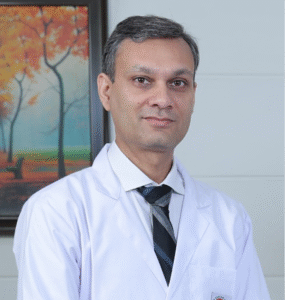
A pioneer in this field, Dr. Tushar Aeron brings extensive clinical experience—spanning over 15 to 20 years—to advanced gastrointestinal and minimally invasive procedures. Having completed his foundational surgical training at Safdarjung Hospital, New Delhi, followed by super-specialty training (MCh) in Surgical Gastroenterology from KGMU/Command Hospital, and serving previously as Head of the Department of GI & Laparoscopic Surgery at Rajiv Gandhi Super Specialty Hospital, Dr. Aeron has successfully performed over 1,200 specialized procedures. His clinical philosophy prioritizes patient-centric safety, accurate diagnosis, and rapid postoperative recovery through advanced laparoscopy and robotic techniques.
When evaluating local care options, patients often look for a trusted GI surgeon in Paschim Vihar who can seamlessly bridge advanced hospital infrastructure with personalized, compassionate consultations.
Minimally Invasive and Robotic Advancements in GI Surgery
One of the greatest fears patients face regarding surgery is the thought of large incisions, prolonged hospital stays, and painful, slow recoveries. Fortunately, the landscape of gastrointestinal surgery has been transformed by minimally invasive techniques, including laparoscopy and robotic-assisted platforms.
Compared to traditional open surgery, these modern approaches offer remarkable clinical advantages:
Smaller Incisions: Reduced trauma to the abdominal wall significantly minimizes post-operative pain.
Shorter Hospital Stays: Most patients are able to return home much sooner, often within a day or two depending on the procedure.
Faster Return to Normal Routine: Reduced risk of wound complications means you can get back to your daily life and work much quicker.
Whether you are discussing options with a GI surgeon in Paschim Vihar or exploring specialized centers, understanding these technical milestones helps demystify what to expect in the operating room.
What to Expect During Your Initial Consultation
Stepping into a specialist’s clinic for the first time can feel intimidating. Knowing how an expert consultation flows can ease anxiety.
Detailed Medical History Review: The specialist will review your symptoms, dietary habits, previous medical reports, and past treatments.
Physical Examination: A thorough physical evaluation of the abdomen helps identify tenderness, masses, or wall weaknesses like hernias.
Diagnostic Imaging and Endoscopy: To look inside the digestive tract, your doctor may recommend upper GI endoscopy, ultrasound, CT scans, or specialized blood tests.
Tailored Treatment Roadmap: If surgery is necessary, the specialist will walk you through the procedure type, expected recovery timeline, and preparation steps in clear, jargon-free language.
For anyone experiencing ongoing digestive distress, consulting a knowledgeable GI surgeon in Paschim Vihar ensures you receive an accurate diagnosis rather than temporary symptom suppression
Frequently Asked Questions
Q.1 When should I transition from seeing a general physician to consulting a GI surgeon?
If your abdominal symptoms—such as chronic pain, severe acid reflux, recurring vomiting, or a visible abdominal lump—do not improve with standard medications or keep returning, a specialist evaluation is recommended. A surgical gastroenterologist specializes in identifying structural anomalies that require targeted intervention.
Q.2 Are all gallbladder and hernia surgeries performed using laparoscopy?
In the vast majority of cases, yes. Advanced laparoscopic and robotic techniques are now the gold standard for routine procedures like gallbladder removal and hernia repairs, ensuring minimal scarring and quicker healing compared to traditional open surgeries.
Q.3 How do I prepare physically for a gastrointestinal consultation?
Bring all previous medical records, prescription history, and a written timeline of your symptoms. Depending on the planned evaluation, your doctor might advise fasting for a few hours beforehand if an endoscopy or specific imaging is anticipated.
Q.4 Can lifestyle changes completely replace surgery for chronic digestive conditions?
While diet, hydration, and medical management successfully control many mild functional gut disorders, structural problems—such as large hernias, gallstones, tissue blockages, or advanced reflux caused by a hiatal defect—typically require surgical correction for permanent relief.
Conclusion
Persistent digestive issues should never become a permanent part of your daily routine. Understanding your symptoms, recognizing when to seek expert help, and choosing a qualified specialist are the foundational steps toward lasting wellness.
If you or a loved one are experiencing ongoing abdominal discomfort, seeking guidance from an experienced GI surgeon in Paschim Vihar can provide the clarity and advanced treatment solutions you need. Take the proactive step today by scheduling a comprehensive evaluation to discuss your health goals with a trusted expert.
Learn more about our specialized gastrointestinal care services and patient support portals.)